

Nearly 40% of Americans have less than $400 saved for emergencies. A simple envelope system can help change that quickly.
Cash envelope budgeting is a practical method that uses physical cash placed in labeled envelopes. Each envelope represents a spending category. This system helps people see where money goes and limits overspending.
It also builds saving habits without using complex apps.
This guide targets beginners in the United States. It is for people who struggle with overspending and prefer tangible money management. Households seeking a straightforward personal finance strategy will also benefit.
The guide explains how the envelope system works and why it still matters in today’s digital age.
The article covers the history and benefits of cash envelope budgeting. It offers a step-by-step setup and lists essential supplies. It also teaches how to track and manage envelopes properly.
Additionally, it addresses common mistakes and shows how to adjust the system as needed. The guide suggests ways to add savings envelopes. It includes tips for staying motivated and how to transition to digital tools when ready.
Readers will gain clearer spending discipline and stronger financial priorities by using this system. With practice, this budgeting method leads to better control over everyday expenses and a healthier financial outlook.
Key Takeaways
- Cash envelope budgeting uses physical cash placed in labeled envelopes to limit spending and increase awareness.
- The envelope system is ideal for beginners and those who prefer low-tech finance tools.
- This budgeting method promotes discipline and measurable progress toward savings goals.
- The guide will cover setup, supplies, tracking, common pitfalls, and transitioning to digital tools.
- Consistent use of the cash budgeting system can reduce impulse purchases and improve emergency savings.
What is Cash Envelope Budgeting?
Cash envelope budgeting is a hands-on money plan. It uses labeled envelopes for each spending category. This system helps people control their spending.
When money in an envelope for groceries, gas, or fun runs out, no more spending happens there. Spending stops until the next budget period.

The method is simple money management for homes wanting clear limits. Users take cash, sort it into envelopes, and keep track by removing bills.
This turns abstract account totals into real bills and coins. It creates a natural pause before spending money.
A Brief History of Cash Envelope Budgeting
Envelope budgeting has been used since before debit and credit cards. Families used ledgers and envelopes to plan their spending each week and month.
Modern experts like Dave Ramsey have brought back this method. They use it to help people control extra spending and reduce debt.
Today, some use paper envelopes for cash and apps to track totals. The main idea stays: assign money before spending and stick to limits.
Benefits of Using Cash Envelopes
The envelope system helps control extra spending by showing limits clearly. Seeing just a few bills left stops impulse buys and encourages thoughtful choices.
This hands-on step is a strong behavior nudge for those who tend to overspend.
Cash envelopes support zero-based budgeting. They make it easy to track small buys without searching bank records.
This method lowers reliance on credit cards. It helps families and couples set shared rules and avoid surprise bills at month end.
Cash envelopes suit people with variable incomes, those who buy on impulse, cash users, and anyone saving or paying off debt. It offers clear rules that build responsibility and steady progress.
| Use Case | Why It Helps | Best Fit |
|---|---|---|
| Controlling discretionary spending | Physical cash creates spending friction and visible limits | Individuals with impulse-buying habits |
| Tracking small cash purchases | Envelopes simplify receiptless transactions and logging | People who use cash for daily expenses |
| Debt repayment | Prioritizes payment envelopes and reduces credit reliance | Households working on structured payoff plans |
| Variable income planning | Allocates funds for essential categories when pay fluctuates | Freelancers and gig economy workers |
| Family budgeting | Creates shared, visible rules for spending and saving | Couples and families managing joint finances |
How to Get Started with Cash Envelope Budgeting
Cash envelope budgeting is a hands-on way to see and control where your money goes. This guide shows how to start a budget envelope system. It offers simple steps, practical category choices, and tips to keep the routine easy to follow.
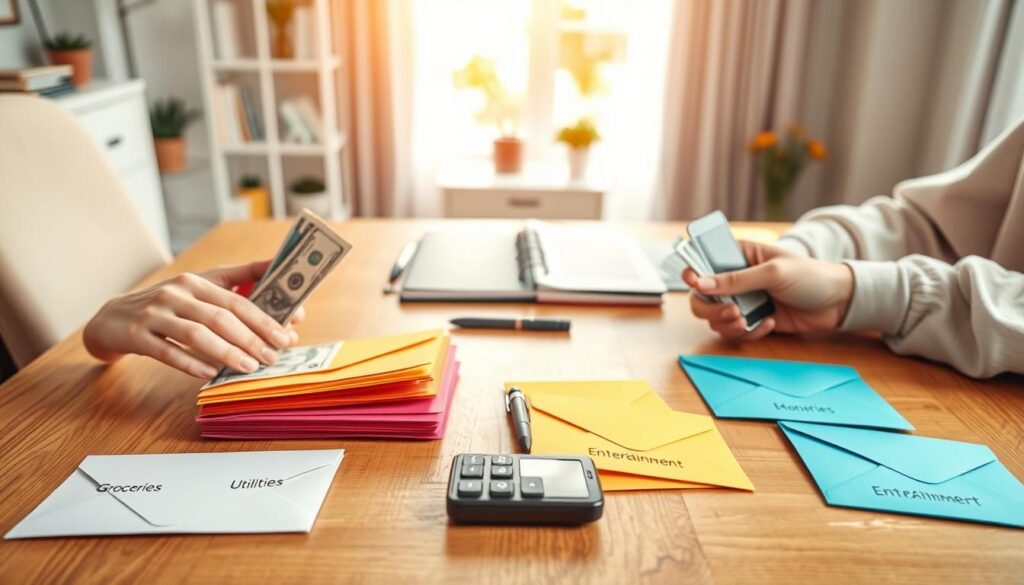
Step-by-step setup
Gather recent bank statements, pay stubs, and receipts to map your monthly income and spending. Pick a budgeting period; monthly works best for most pay schedules.
List fixed expenses like rent or mortgage, utilities, and insurance. Decide which bills stay electronic.
Choose variable categories to use cash envelopes. Examples include groceries, dining out, transportation, entertainment, personal care, and pet care.
Withdraw total cash needed for those envelope categories at the period’s start from a bank or ATM. Label each envelope and put in the allocated amount.
Record starting balances in a ledger, notebook, or app.
Use only the cash in each envelope for its intended purpose. When an envelope is empty, stop spending in that category until the next funding cycle. Or reallocate cash from another envelope if needed.
Choosing the right categories
Focus on categories that involve frequent in-person spending and those prone to impulse buying. Keep the system manageable; most people find 8–15 envelopes work well.
Combine small related items into broader categories. For example, use “household items” instead of separate cleaning and supplies envelopes.
Add an envelope for irregular expenses. Divide yearly costs into monthly contributions for things like car maintenance or annual subscriptions.
Include a buffer or miscellaneous envelope for small, unexpected cash purchases. Decide which bills should remain electronic, such as mortgage and utilities.
Use the budget envelope system for categories like groceries and dining out.
- Single adult sample: Rent, groceries, dining out, gas, personal care, entertainment, savings, misc.
- Couple sample: Mortgage, groceries, dining out, transportation, household, pets, date nights, emergency fund.
- Family sample: Mortgage, groceries, school supplies, childcare, transportation, healthcare, household, savings.
This cash-first method builds awareness and reduces overspending. People who use it often report clearer priorities and simpler choices when handling cash.
Essential Supplies for Cash Envelope Budgeting
Setting up a reliable cash budgeting system starts with a few quality supplies. The right tools make the envelope system simple to use. They also help maintain consistent habits for cash envelope budgeting.
Recommended Envelopes and Organizers
Choose sturdy envelopes that stand up to daily handling. Heavyweight paper, poly, or budget envelopes with clear windows work well for long-term use.
For portability, use folding organizers, accordion wallets, or file boxes to keep categories neat. Staples and Michaels sell affordable options. AmazonBasics and branded kits from Dave Ramsey and other shops offer ready-made sets. These pair well with this budgeting method.
Labeling supplies matter. Use adhesive labels, printed tags, or a permanent marker to note category names and starting balances. A small ledger or cash-tracking notebook helps log withdrawals. It also tracks remaining balances after purchases.
Digital Tools for Tracking Cash Spending
Digital tracking tools complement physical envelopes and reduce reconciliation work. Goodbudget mirrors the envelope system with virtual envelopes. EveryDollar and YNAB reflect a cash budgeting system while tracking overall account flow.
Simple spreadsheets in Google Sheets or Excel are flexible for custom layouts. Record every cash withdrawal and purchase. Update envelope balances and reconcile weekly or monthly to spot discrepancies.
Set mobile banking alerts to monitor account balances after large cash withdrawals. This helps protect bank funds and prevents overdrafts. Use this practice when combining the envelope system with online accounts.
Safety and hygiene matter when managing physical cash. Carry modest amounts and avoid leaving large sums at home. Keep envelopes in a locked box or safe if necessary. Use bank deposit methods for paychecks, then withdraw planned cash for each envelope to stay in control with this budgeting method.
Creating Your Monthly Budget
Creating a workable monthly plan gives cash envelope budgeting a clear direction. This part guides readers through analyzing income and expenses.
It also helps set realistic spending limits that match goals. The steps below fit a practical budgeting method.
This system acts as a reliable personal finance strategy and financial planning tool.
Analyzing Your Income and Expenses
Begin by calculating net monthly income from pay stubs, freelance work, and side gigs. For irregular earnings, average three to six months to find a stable baseline.
Next, review bank statements and categorize the past three months of spending. Separate fixed obligations like rent, mortgage, and debt payments from variable items such as groceries, gas, and entertainment.
Variable spending becomes the focus for envelope amounts. For fluctuating income, use a conservative baseline or a rolling average to avoid overspending.
Setting Realistic Spending Limits
Apply the zero-based budgeting principle: assign every dollar a job. Include savings and debt repayment envelopes with day-to-day categories.
This approach strengthens budgeting as a personal finance strategy. Set envelope amounts based on past spending adjusted for goals.
Add a contingency margin of 5–10% for volatile categories or create a dedicated buffer envelope. Prioritize essentials first.
Allocate money to discretionary envelopes only if income allows. When priorities shift, adjust limits up for emergency savings or down to pay off debt faster.
Examples and Monthly Review
Sample allocations help households adapt the plan. A single person might allocate 50% to fixed bills, 25% to envelopes, 15% to savings, and 10% to debt.
A dual-income household could assign 40% to fixed bills, 30% to envelopes, 20% to savings, and 10% to debt.
A family with children may set fixed bills at 55%, envelopes at 20%, savings at 15%, and debt at 10%. They might add a school or childcare envelope.
End each month by counting envelope balances and comparing actual spending to limits. Adjust for the next month accordingly.
Treat the cash envelope system as a flexible tool that evolves with changing financial goals.
Managing Your Cash Envelopes
Effective envelope management helps your budget system run smoothly. Small habits prevent mistakes and make cash budgeting natural. These steps keep spending clear for singles or couples.
Tracking Your Spending Effectively
Record every transaction as it happens. Write the purchase and remaining balance on the envelope or log it in a ledger or app like Goodbudget.
This habit avoids surprises during reconciliation. Keep receipts inside the related envelope until your weekly check. During reconciliation, total receipts and update digital records.
Weekly reviews catch errors and keep the budgeting system accurate. If you use an app, mirror the physical envelope balances. Some apps let users assign funds to virtual envelopes.
Manual matching of paper and digital records keeps trust in your budget system.
Tips for Staying Within Your Limits
Set firm rules before spending. Never borrow from other envelopes unless you plan a reallocation. This protects priorities and lowers friction when money is tight.
Use a 24-hour rule for impulse buys. Waiting a day reduces regret and slows spending from discretionary envelopes. Plan big purchases ahead and save in a special envelope over months.
If an envelope runs low, choose to cut spending, move funds from a cushion envelope, or adjust your monthly plan. Cash-only days or weeks help reset spending habits and reveal true needs.
For couples, try a joint envelope system or clear roles with shared goals. Schedule monthly finance check-ins and keep records of envelope changes to avoid disputes and build trust.
| Action | How to Do It | Benefit |
|---|---|---|
| Immediate Recording | Write purchase and balance on envelope or app entry right after spending | Prevents bookkeeping gaps and unexpected shortfalls |
| Receipt Keeping | Tuck receipts into envelopes; tally weekly and transfer totals to digital records | Provides audit trail and simplifies reconciliation |
| Weekly Reconciliation | Compare physical envelopes to ledger or app once a week | Spots errors early and maintains trust in the cash budgeting system |
| Impulse Control | Apply a 24-hour rule for discretionary spending | Reduces impulse purchases and stretches budget envelopes |
| Planned Large Purchases | Save into a targeted envelope over several months | Avoids debt and keeps the budget envelope system predictable |
| Shared Finances | Create joint envelopes, set shared goals, hold monthly check-ins | Improves transparency and reduces conflicts |
Common Mistakes to Avoid
A simple cash system works best when it fits daily life. Many people start cash envelope budgeting with good intentions but make mistakes. A clear and practical approach helps keep money under control.
Overcomplicating Your Plan
Creating too many envelopes makes the budgeting system hard to maintain. When each small purchase gets its own envelope, the process feels tedious. This often leads to abandoned envelopes and tracking gaps.
Splitting tiny items into separate envelopes, like soap or paper goods, adds needless work. Combining small purchases into broader categories reduces friction. Focus on core categories like groceries, transport, and household to keep budgeting sustainable.
Ignoring Irregular Expenses
People often forget about costs that don’t happen every month. Examples include vehicle registration, annual subscriptions, and holiday gifts. Neglecting these creates surprise shortfalls and may lead to using credit or emergency savings.
Use sinking funds or dedicated envelopes for quarterly and annual expenses. Fund these each month to anticipate seasonality. This approach helps avoid sudden budget shocks.
Other Common Pitfalls and Remedies
Withdrawing too much cash at once raises the risk of theft. Keep only the needed amount on hand and store extra money in a bank to reduce this risk.
Not recording cash transactions makes it hard to reconcile spending. Using a simple app or digital ledger with envelopes helps avoid mismatches. It keeps the budget system aligned with actual spending.
Relying only on envelopes while ignoring recurring electronic bills causes cash flow gaps. Track electronic payments alongside envelopes to keep bills on schedule.
Failing to adjust envelopes after income or goal changes limits progress. Schedule a monthly review to tweak envelopes and keep your budget aligned with needs.
Adjusting Your Budget as Needed
Every budget improves with regular adjustments. The cash envelope budgeting method works best when reviewed regularly and after major life changes. This keeps your budgeting accurate and useful in a larger personal finance plan.
Start by reviewing your budget monthly for the first three months. Then, switch to quarterly reviews once spending patterns settle. Compare planned envelope amounts with actual receipts to find differences.
Use this analysis to decide which envelopes need more or less cash. You can also merge some envelopes if needed.
Major life events call for immediate budget checks. A new job, moving, marriage, a baby, or medical bills shift priorities quickly.
After such changes, reassess your cash budgeting system. Adjust category amounts and keep a simple change log to record the reasons. This helps you understand changes during future reviews.
Create a contingency envelope for unexpected expenses. Aim to save three to six months of living costs over time.
This emergency fund helps you respond quickly to problems. It also reduces the need to use high-interest credit cards when trouble strikes.
When an unexpected cost appears, reallocate funds carefully. Move money from less urgent envelopes and plan to restore them later.
Make short-term cuts to non-essential categories instead of cutting essentials. This approach keeps your finance plan balanced without big lifestyle changes.
If your income drops, focus on essentials and minimum debt payments. If income rises, put extra money toward savings, debt payoff, or goals.
For large, sudden bills, pause contributions to sinking funds if needed. Negotiate with service providers or use your contingency envelope.
Track every change in your ledger or app to keep a clear timeline of adjustments.
Always document adjustments with the date, reason, amount changed, and expected return to normal. This log strengthens your cash envelope budgeting method and keeps your finance strategy strong over time.
Incorporating Savings into Your Budget
Saving is central to any strong personal finance plan. Cash envelope budgeting treats savings like a regular expense. This method keeps your goals visible and builds momentum for both short- and long-term plans.
Creating a Savings Envelope
Make savings a priority by assigning envelopes for each goal. Common ones include an emergency fund, vacation, holiday gifts, and sinking funds for repairs. Separate envelopes help prevent spending money meant for saving.
Choose how often and how much to transfer to each savings envelope. Include these amounts in your monthly plan so savings are like paying any other bill.
Use a hybrid approach: keep large savings in an FDIC-insured account for safety and interest. Keep a small cash envelope for short-term needs or goals like a weekend trip. This mix makes planning both secure and hands-on.
Setting Short and Long-Term Savings Goals
Short-term goals last weeks to a year. Examples include a small emergency fund, holiday gifts, quarterly bills, or electronics. Weekly or monthly savings envelopes show progress and boost motivation.
Long-term goals go beyond a year. These include a 3–6 month emergency fund, saving for a down payment, paying student loans, or increasing retirement savings. Use bank accounts, high-yield savings, or certificates of deposit for these.
Automate transfers for long-term goals to make saving easier. Use windfalls like tax refunds or bonuses directly in your savings envelope. Combining automation with manual deposits makes your plan strong.
Tracking your progress is important. Take a monthly snapshot of each savings envelope and account balances. Celebrate milestones to keep motivation high and make savings part of daily life.
| Goal Type | Time Frame | Example Amount | Recommended Place | How to Fund |
|---|---|---|---|---|
| Small Emergency Cushion | Weeks to 6 months | $200–$1,000 | savings envelope (cash) & checking | Weekly envelope deposits; round-up transfers |
| Vacation / Short Trip | 3–12 months | $500–$2,000 | physical savings envelope for motivation | Monthly set-aside; use windfalls |
| Major Purchase (electronics) | 1–12 months | $300–$1,200 | savings envelope or high-yield account | Allocate part of weekly spending cuts |
| Emergency Fund (3–6 months) | 1–3 years | $6,000–$18,000 (varies) | high-yield savings account or CD | Automated monthly transfers |
| Down Payment / Retirement | 3+ years | $10,000+ | bank accounts, IRA, 401(k) | Automate contributions; increase annually |
Staying Motivated with Cash Envelope Budgeting
The path to better money habits depends on small wins and steady encouragement. Cash envelope budgeting works best when progress feels clear. The envelope system builds daily discipline, while a clear finance strategy keeps long-term goals in view.
Rewards that reinforce good habits
Choose simple financial rewards to mark milestones. Move some savings into a fun envelope after you hit a debt milestone. A small treat from the entertainment envelope or a special meal can celebrate progress without hurting goals.
Non-financial rewards work well too. Add stickers to envelopes or mark a chart. These cues make money management feel real and satisfying.
Where to find support and practical tools
Online communities offer templates, tips, and stories about the envelope system. Active forums include Reddit’s r/personalfinance and r/Frugal. Facebook groups focus on cash budgeting. Podcasts and blogs from Ramsey Solutions, The Budget Mom, and NerdWallet give useful case studies and guidance.
Local accountability speeds progress. Friends, family, or partners can join check-ins or budgeting sessions. Group feedback helps during setbacks and brings fresh ideas for strong finance strategies.
Keeping momentum over the long run
Alternate short-term wins with longer-term goals to avoid burnout. Reassess goals and adjust rewards so they stay meaningful and support savings. Use milestone rewards for debt and emergency fund growth to keep motivation high.
Stick to the envelope system’s core rules while changing categories and reward sizes as life changes. This flexible approach keeps the system effective and lasting for months and years.
Transitioning from Cash to Digital
The move from a physical cash budgeting system to a digital approach can feel daunting. This passage explains the benefits of modern tools and offers practical techniques for a smooth switch while keeping the core strengths of cash envelope budgeting intact.
Benefits of Going Digital
Digital tools offer greater convenience and less risk than carrying bills. Linking accounts helps with easy reconciliation and creates automatic transaction backups.
Budgeting apps mirror envelope categories and provide clear reports with visual goal tracking. Users see all accounts and can set recurring transfers to virtual envelopes.
Automation reduces manual counting and speeds bill payments. Direct deposits move money into savings or sub-accounts without handling cash.
Techniques for Making the Switch
Start with a hybrid approach: keep some physical envelopes for small spending and mirror balances in an app like Goodbudget, EveryDollar, or YNAB. This keeps the envelope system’s behavior while adding digital convenience.
Move low-risk categories like utilities and subscriptions first. Keep daily spending envelopes physical until you gain confidence using the app.
Create virtual envelopes in the app, put funds in at month-start, and record transactions immediately. Link debit cards to categories when possible to copy the envelope method online.
Set safeguards like spending alerts, separate bank sub-accounts, and a small emergency cash reserve during the change. Families can use shared budgeting apps for transparency without physical cash.
Deal with psychological differences by checking balances often and using charts to make spending real. Try short tests like one week cash-only or one month with virtual envelopes to compare comfort and results.
Combining the envelope system’s discipline with modern digital tools keeps budgeting’s best traits while adding efficiency and security.
Frequently Asked Questions About Cash Envelope Budgeting
The answers below address common concerns about using a cash budgeting system and a budget envelope system. They focus on practical steps, safety, and hybrid options. This helps readers use this budgeting method with confidence.
How Much Cash Should I Keep in Each Envelope?
Amounts depend on past spending and the goals of the budget envelope system. Base each envelope on the average monthly spend for that category. Adjust amounts for planned savings or cuts.
For variable costs like groceries or gas, start with last month’s average. Refine over two to three cycles for realistic targets without surprises.
General ranges help set expectations. Groceries might be $200–$600 depending on household size. Dining out could be $50–$300 based on habits. Transportation or gas varies with commute distance and vehicle efficiency.
Keep minimal cash on hand for safety. Withdraw only the total needed for envelope categories, not large sums. Include a small miscellaneous envelope of $20–$100 for unexpected purchases.
Can I Use Cash Envelope Budgeting with Debit Cards?
Yes. A hybrid approach blends the physical cash system with debit card convenience. Assign a debit card to specific categories and track balances in an app or ledger. Bank sub-accounts, preloaded debit cards, and virtual envelopes work well for this method.
Using cards offers convenience. It lowers the behavioral friction that comes with handing over cash. This can make discipline harder for some people.
Apps like Goodbudget and YNAB let users manage virtual envelopes. They sync with bank accounts or accept manual entries to mirror the envelope system. Regular reconciliation is essential to keep the budget accurate.
What If an Envelope Runs Out Mid-Month?
First, reallocate funds from less urgent envelopes. Second, reduce spending in other categories until the next refill. A contingency envelope helps prevent crises.
Avoid using credit cards when possible to preserve the discipline of the cash budgeting system.
Is the Envelope System Safe?
Generally yes when moderate cash amounts are withdrawn. Use bank safety measures and avoid carrying large sums. Keep envelopes secure at home and be mindful when transporting cash in public.
How Long Should Someone Stick with This Budgeting Method?
Commit to at least three months. This builds habit and gives enough data to refine category amounts. After that, adjust envelopes based on actual spending and goals.
Conclusion: The Long-Term Benefits of Cash Envelope Budgeting
Cash envelope budgeting is a practical way to manage personal finances and set clear spending limits. Handling physical cash in labeled envelopes, such as groceries and transportation, gives quick feedback on spending choices. This simple method works well for beginners and adapts to different needs.
Building Financial Discipline and Awareness
Using envelopes regularly helps people notice their spending habits and make better decisions. When they withdraw cash and track it, they clearly see where money goes. This habit leads to saving more and using less credit over time.
Achieving Your Financial Goals
Setting aside money in savings and debt-repayment envelopes links daily spending to bigger goals like emergencies and loans. Using envelope budgeting with digital tools and automatic transfers improves progress. Checking the system often keeps it accurate and flexible.
Start with a few envelopes and track spending for one month. Adjust the system over three cycles and add savings or apps as you get comfortable. Cash envelope budgeting costs little and improves money management when used regularly.