

Nearly one in three Americans lives in a county that had a presidential disaster declaration in the last ten years. This fact shows how often communities need quick and reliable help after storms and fires.
This short how-to guide explains how people in the U.S. can access emergency assistance after hurricanes, floods, tornadoes, wildfires, winter storms, and severe thunderstorms.
It is written for those who need clear, practical steps to find disaster relief and start recovery fast.
The guide covers what to prepare before a crisis and how to contact local, state, and federal resources. It explains when and how FEMA gets involved and the role of nonprofits like the American Red Cross.
It also outlines evacuation basics, community support options, mental health resources, and where to find financial aid after a disaster.
Timely action matters. Trusted sources include the Federal Emergency Management Agency at www.fema.gov, the National Weather Service at www.weather.gov, state emergency management agencies, and the American Red Cross at www.redcross.org.
Many communities also run local hotlines and emergency weather assistance programs during active events.
Readers who follow this guide will learn how to prepare ahead of time and how to find and apply for help. They will also learn how to evacuate safely and start recovery. Filing claims for financial aid is covered too.
Key Takeaways
- Understand where to find weather emergency help fast, including FEMA, NWS, and local emergency centers.
- Prepare basic emergency kits and plans before a disaster to speed recovery.
- Know how to access emergency weather services and nonprofit disaster relief support.
- Act early: evacuation and registering for aid improves safety and eligibility.
- Keep important documents safe and gather proof for insurance and aid claims.
Understanding Weather Emergencies
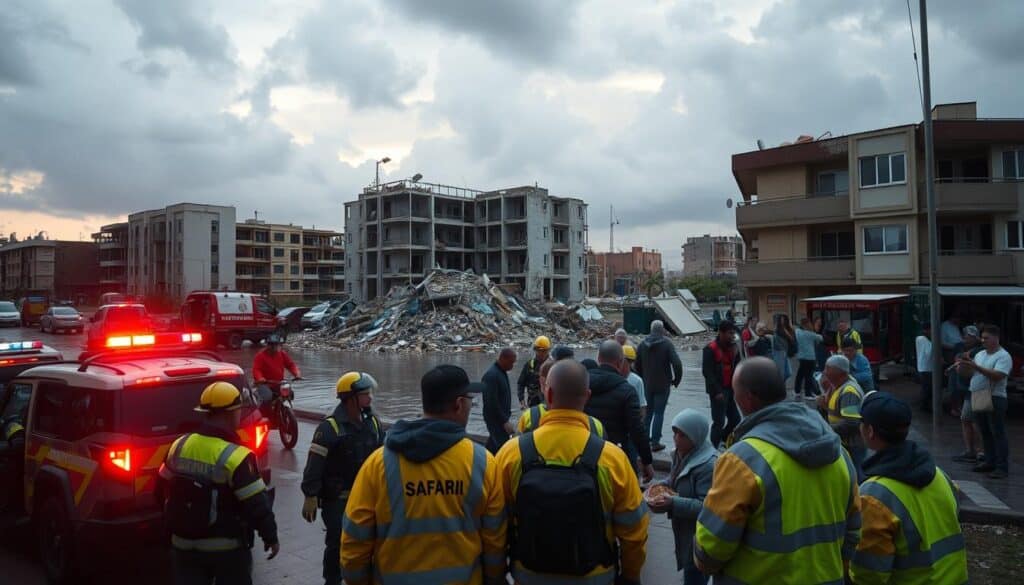
Weather emergencies are sudden, dangerous events that threaten life, property, and infrastructure. They trigger alerts and warnings from agencies like the National Weather Service. These events often require local, state, and federal emergency services to act quickly.
Definition of Weather Emergencies
A weather emergency is any severe event that poses an immediate risk to people or systems. This includes situations needing evacuation, shelter, or severe weather aid from first responders. Authorities declare these events when harm is expected soon.
Types of Weather Emergencies
Major weather events in the US vary by region and season. Hurricanes cause storm surge, coastal flooding, and high winds. Tornadoes bring intense, localized winds and flying debris.
Flash floods cause rapid flooding and road closures. Wildfires create smoke hazards, fast flames, and large evacuations. Blizzards and ice storms lead to power loss and cold risks.
Severe thunderstorms produce hail, strong winds, and lightning. Sometimes, events overlap, like flooding after hurricanes causing mold and housing problems.
Common Causes
Meteorological factors explain why events form. Tropical cyclones start over warm ocean waters in the Atlantic and Pacific. Thunderstorms and tornadoes develop from convective instability. Atmospheric rivers bring heavy, long-lasting rain to coastal and inland areas.
Drought and high heat raise wildfire risks. In winter, cold polar air meeting mild air causes blizzards and ice storms. Climate change links to more frequent and stronger hazards, increasing demand for emergency weather services.
Event type and cause guide response actions. Search and rescue, mass care, evacuation, debris removal, temporary housing, and medical aid match the hazard. FEMA, state offices, and groups like the American Red Cross coordinate relief and assistance.
| Event Type | Main Hazards | Typical Response Actions |
|---|---|---|
| Hurricane / Tropical Storm | Storm surge, coastal flooding, high winds | Evacuation orders, shelters, debris clearance, temporary housing |
| Tornado | Localized extreme winds, structural collapse, flying debris | Search and rescue, medical triage, emergency weather services deployment |
| Flash Flood / River Flood | Rapid inundation, road washouts, water contamination | Water rescues, sandbagging, water purification, evacuation support |
| Wildfire | Rapid fire spread, smoke, air quality decline | Evacuations, air monitoring, sheltering, severe weather aid for displaced residents |
| Blizzard / Ice Storm | Power outages, road closures, cold exposure | Heating centers, road clearing, emergency medical services |
| Severe Thunderstorm | Hail, damaging winds, lightning | Roof and infrastructure repairs, tree removal, immediate aid from local agencies |
Preparing for Weather Emergencies
Preparing before a storm helps families recover faster and stay safer. This section gives practical steps to assemble supplies and create a household plan. It also explains how to protect vital records. Each part connects families with weather emergency help and services when needed.
Emergency Kits: What to Include
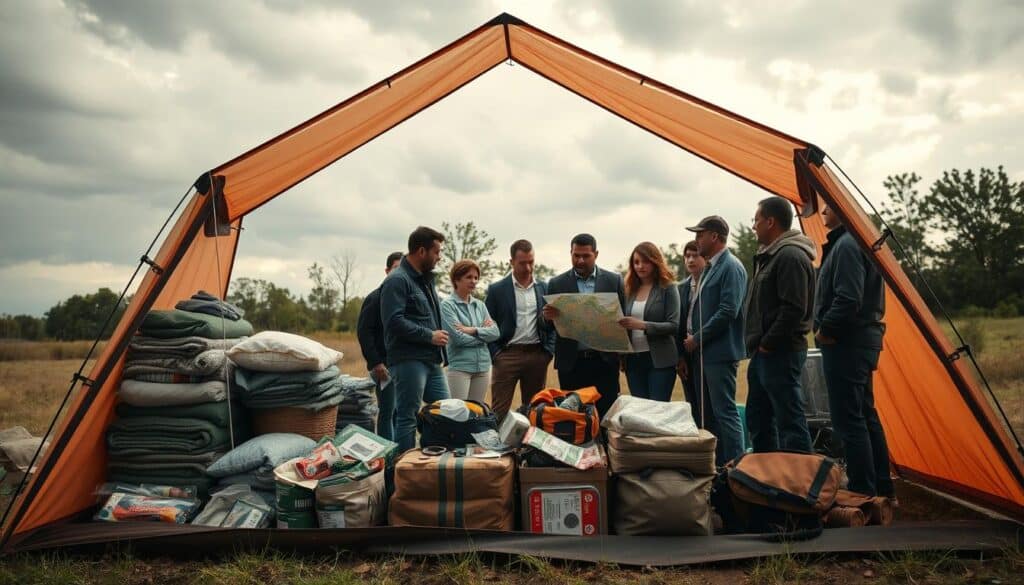
Keep supplies to cover 72 hours up to seven days. Store one gallon of potable water per person per day. Include nonperishable food and a manual can opener.
Have a battery-powered or hand-crank NOAA weather radio, flashlight, and extra batteries. Also pack a first-aid kit and prescription medications with copies of prescriptions. Add personal hygiene items.
Pack N95 masks for smoke, a multi-tool, whistle, cash, and fully charged power banks. Include local maps and an emergency contact list. Add pet supplies like food, carrier, and vaccination records.
For infants, include formula, diapers, and a small blanket. Keep copies of insurance policies and a small toolkit in the kit. These items help connect with responders and local emergency services.
Creating an Emergency Plan
Identify at least two escape routes and a meeting point outside the home. Share the plan with all household members. Decide how to communicate if separated, using text, social media, or an out-of-area contact.
Plan for pets and family members with disabilities or special medical needs. Register with local evacuation registries if available. Note shelter locations and evacuation routes ahead of time.
Practice drills at least twice a year. Use Ready.gov templates and state emergency management checklists. Regular practice builds confidence when calling for weather emergency help or using emergency services.
Important Documents to Keep
Store originals or certified copies of ID like driver’s license and passport. Add Social Security cards, birth and marriage certificates, property deeds, and vehicle titles. Include insurance policies for home, flood, renter’s, and auto coverage.
Include medical records and financial statements. Keep physical copies in a waterproof, fire-resistant container. Store encrypted digital copies in cloud storage or on a secure USB drive.
FEMA and many assistance programs require documentation for applications. Having these records ready speeds access to disaster resources and eases claims with emergency services.
How to Access Weather Emergency Assistance
After a storm or flood, survivors need clear steps to find help quickly. This section explains where to look for help. It also shows who responds first and how to contact verified services.
It highlights local offices, federal options, and nonprofit support. This helps people connect to weather emergency assistance fast.
Local and State Resources
County emergency management offices and city emergency centers lead the first response. They issue evacuation orders, open shelters, and run local hotlines. Local law enforcement and fire departments help with rescues and road closures.
Public health agencies track water and sanitation risks. They also deliver community updates. State emergency websites like the California Governor’s Office of Emergency Services list county contacts and shelter maps.
State programs offer temporary housing, crisis counseling, and small grants through emergency channels.
Federal Assistance Programs
The federal response starts after a governor requests help or a major disaster is declared. FEMA provides assistance for housing needs, rental aid, and home repair grants. Public Assistance funds infrastructure repairs and debris removal for local governments.
The Hazard Mitigation Grant Program supports projects that reduce future risks. The Small Business Administration offers low-interest disaster loans for homeowners, renters, and businesses. Survivors can register at FEMA.gov or call FEMA’s disaster helpline.
The SBA website hosts loan applications and disaster recovery guidance at SBA.gov.
Nonprofit Organizations Offering Help
Major nonprofits fill gaps during emergencies. The American Red Cross runs shelters, gives emergency supplies, and helps with family reunification. The Salvation Army provides meals, mobile feeding, and emergency financial aid.
Team Rubicon sends trained volunteers for debris removal and repairs. United Way operates 211, a national referral line that connects callers to local services. Faith-based and community groups also offer aid and case management in neighborhoods.
FEMA’s disaster survivor assistance teams work with nonprofits for outreach on the ground.
How to Contact Services Safely
Call 211 for local referrals and shelter info. Register with FEMA online or by phone to apply for federal aid. Visit Red Cross shelters or Salvation Army points listed on local emergency pages.
Check official state and county emergency pages and verified social media accounts for current hotline numbers. Be cautious of scams. Use only official channels like government sites, 211, and recognized nonprofits.
Avoid unsolicited calls or messages asking for personal financial information.
Role of FEMA in Disaster Assistance
The Federal Emergency Management Agency coordinates federal response after major disasters. FEMA works with state governments, local agencies, and nonprofits to deliver disaster relief support. The agency runs programs that help individuals, communities, and infrastructure recover quickly.
Overview of Services
FEMA coordinates federal disaster response and supports state and local partners. It offers Individual Assistance such as temporary housing, repair grants, and rental help. Public Assistance funds emergency work and infrastructure repairs for governments and eligible nonprofits.
Hazard Mitigation Grant Program funds projects that reduce future risks. Disaster Survivor Assistance teams visit affected neighborhoods to register survivors and connect them with resources. FEMA also provides long-term recovery guidance while working with the Small Business Administration, American Red Cross, and local agencies.
Application Process
To seek assistance, applicants gather ID, Social Security numbers, insurance details, and property addresses. Registration is available online at FEMA.gov, by phone, or at a Disaster Recovery Center.
The timeline includes registration, an inspection if housing aid is requested, a decision, and fund disbursement. Applicants should register quickly within FEMA’s open window even if unsure about eligibility. Inspectors check damage before approving grants or rental help.
Eligibility and Documentation
Individuals and households in areas covered by a Presidential Disaster Declaration for Individual Assistance may qualify. Renters and homeowners with uninsured or underinsured losses can get aid. Public Assistance and Hazard Mitigation programs help state and local governments and certain nonprofits.
Immigration status may affect some federal benefit eligibility. Emergency medical care and temporary shelter are generally available to everyone. SBA disaster loans have separate eligibility and credit checks.
Common Documentation and Denials
Applicants should prepare photo ID, proof of ownership or occupancy, insurance policies, repair receipts, and damage photos. Missing or incomplete documents often cause denials.
Other common denials happen because of ineligible losses, properties outside declared areas, or not following program rules. To appeal, applicants submit more proof, corrected forms, or new receipts. Staying organized and following FEMA guidance improves chances for approval.
| Area | Who Can Apply | Typical Documents | Common Barriers |
|---|---|---|---|
| Individual Assistance | Homeowners and renters in declared areas | ID, SSN, insurance info, photos of damage, receipts | Insufficient documentation, outside declared area |
| Public Assistance | State, local governments, eligible nonprofits | Project estimates, cost records, procurement documents | Ineligible work, incomplete cost documentation |
| Hazard Mitigation | State/local governments and certain organizations | Project proposals, benefit-cost analyses, environmental reviews | Poor cost-benefit evidence, missing approvals |
| On-the-Ground Support | Disaster survivors contacted by field teams | Registration confirmation, contact info, damage notes | Unable to verify damage, no follow-up documentation |
FEMA works with weather emergency teams, state emergency managers, and nonprofits to connect survivors with emergency weather aid programs. These partnerships help expand reach and deliver quick disaster relief to affected communities.
Evacuation Procedures During Emergencies
When storms, floods, or wildfires threaten communities, clear evacuation plans save lives. Residents must listen to local emergency alerts. Alerts come from county management, the National Weather Service, and state transportation advisories.
Early action lowers risk. It also eases pressure on weather emergency teams managing traffic and rescues.
When to Evacuate
Follow official evacuation orders quickly. Mandatory orders require immediate departure. Voluntary advisories invite early leaving.
Evacuate if floodwaters rise, storm surges are forecast, wildfires come near, or levee failure warnings appear.
Keep monitoring alerts from local sources, NWS, and counties. Do not wait until roads are blocked. Acting early helps emergency teams focus on high-risk rescues and reduces road congestion.
Safe Evacuation Routes
Plan primary and alternative routes before disasters. Check traffic advisories from the state Department of Transportation. Use official 511 systems for live updates.
Evacuation routes avoid flood-prone roads and are marked by local authorities. Avoid low-lying roads that flood easily.
Fill your vehicle’s gas tank. Pack a basic emergency kit with prescriptions and chargers. Confirm secondary routes if the primary way is closed. Follow road closures and directions from emergency teams and law enforcement.
Sheltering Options
Public shelters are run by the American Red Cross or local agencies. Some offer special medical care for ongoing needs. Only certain shelters accept pets, so find pet-friendly options ahead.
Bring ID, medications, hygiene items, blankets, and medical supplies. Shelters have check-in, security, and curfews. Shelter availability can change quickly.
Use the Red Cross shelter locator or call 211 to find open shelters. For longer stays, agencies coordinate help like FEMA vouchers and rental aid.
Special Populations
Older adults, disabled individuals, and those needing dialysis or oxygen require special plans. Register special needs with local emergency management early.
Talk with healthcare providers. Identify medical shelters and transport help in advance.
Households with pets should prepare carriers, vaccination records, and food. Pre-register with animal shelters or pet-friendly lists. This makes getting help easier when time is tight.
Community Support During Disasters
Community groups often act as the first responders when storms or floods occur. Local organizations provide quick relief and connect residents to important weather disaster resources. They help coordinate action in neighborhoods, turning small efforts into big recovery results.
Grassroots Organizations
Neighborhood associations, churches, and nonprofits act fast to provide food and shelter. A local church may distribute meals during emergencies. Community centers often hold donation drives to support those affected.
Nonprofit coalitions work together to manage volunteers, supplies, and share crucial information with families in need.
Volunteer Opportunities
Groups like Team Rubicon, VOAD, and the American Red Cross recruit trained volunteers. Volunteers sign up online, complete background checks, and attend safety training. Their tasks include removing debris, assessing damage, and distributing supplies.
Volunteering through official groups protects everyone involved. Trained volunteers follow safety rules and use protective gear, improving response efforts and reducing risks.
Neighborhood Assistance Programs
Local preparedness makes communities stronger. CERT teams offer basic disaster training. Block captains organize welfare checks for elderly or disabled neighbors. Mutual aid networks help share tools and manpower during disasters.
Residents should make neighbor plans, exchange emergency contacts, and build communication trees. Social media groups can aid coordination when used carefully with verified information.
Coordination and Information Sharing
Watch for official alerts and register with local systems. Calling 211 or emergency hotlines connects people to shelter, food, and medical help. Rely on official sources to avoid rumors and false information on social media.
| Support Area | Typical Providers | How to Access |
|---|---|---|
| Immediate Shelter and Food | Local churches, community centers, Salvation Army | Check municipal alerts, contact local distribution points, call 211 |
| Volunteer Deployment | Team Rubicon, American Red Cross, VOAD partners | Register online with the organization, complete vetting and training |
| Neighborhood Preparedness | CERT squads, block captains, mutual aid groups | Attend local training, join neighborhood meetings, share contact lists |
| Information and Referrals | Local emergency management, 211, municipal hotlines | Sign up for alerts, use the weather emergency help hotline, follow verified channels |
| Longer-Term Recovery | Nonprofit coalitions, faith-based partners, FEMA liaisons | Seek disaster relief support through coordinated intake points and community resource centers |
Mental Health Resources After a Disaster
After a storm, flood, or disaster, emotional recovery is as important as physical safety.
People often feel shock, anxiety, grief, sleep problems, and worsening of mental health conditions.
Early attention to these reactions helps ease recovery and access weather emergency assistance when it is most needed.
Coping with Trauma and Stress
Many survivors have trouble sleeping, intrusive thoughts, and heightened startle responses. Caregivers may see children regress or act out.
Simple routines help. Regular meals, set sleep times, and daily tasks restore control.
Limit exposure to distressing news. Stay in contact with friends, family, and neighbors.
Short calming actions like deep breathing, walking, or light exercise reduce tension.
If alcohol or drugs are used to cope, seek help from a medical or mental health professional.
Accessing Counseling Services
Several options lead to professional support. FEMA funds short-term crisis counseling through the Crisis Counseling Assistance and Training Program (CCP) after qualifying disasters.
Community mental health centers offer ongoing care for those with limited resources.
Private therapists and Employee Assistance Programs (EAPs) provide more options.
Local health departments have referral lists and guide survivors to providers who accept Medicaid or sliding-scale fees.
Support Hotlines and Online Resources
The Disaster Distress Helpline connects callers to immediate crisis counseling; dial 988 then press 1 for disaster support.
The National Suicide & Crisis Lifeline is available at 988 for urgent mental health help.
SAMHSA offers disaster behavioral health guides and publications for responders and survivors.
State mental health hotlines and local crisis lines offer region-specific aid.
Organizations like the American Red Cross provide online coping tips and service links.
Keep a list of weather emergency hotlines and local contacts in a safe place for easy access after events.
Considerations for Children and Vulnerable Populations
Children need age-appropriate explanations, reassurance, and consistent routines.
Watch for bedwetting, clinginess, or school changes; these may indicate deeper stress.
Caregivers should seek pediatric mental health support if signs persist.
Veterans and older adults may face unique triggers or mobility barriers.
Seek services with culturally competent care and trauma-experienced providers.
Request interpreters from local providers or hotlines if language access is needed.
- Quick actions: Keep emergency contacts handy, note a nearby weather emergency help hotline, and save contacts for local mental health centers.
- When to seek more support: If symptoms interfere with daily life for more than two weeks, contact a professional for evaluation and treatment.
- Where to find ongoing aid: Ask county health departments about severe weather aid programs and FEMA mental health resources for survivors.
Financial Assistance for Affected Individuals
After a storm or flood, people need clear options for money and services. This section outlines immediate aid and the application steps. It also covers programs that support long-term rebuilding.
The programs include federal grants, low-interest loans, nonprofit help, and insurance information. Use these details to find disaster relief support that fits each household’s needs.
Immediate options include FEMA grants for temporary housing and emergency repairs. The Small Business Administration offers low-interest disaster loans for repair and replacement to homeowners, renters, and businesses.
State and local emergency grants often fill gaps federal funds do not cover. Nonprofits like the American Red Cross and The Salvation Army provide emergency financial aid and basic needs support.
Other resources include charitable crowdfunding, unemployment benefits for disaster-related job loss, and expanded SNAP or food assistance during emergencies. Together they form a safety net of disaster relief support.
Applying for Financial Support
Document all losses with photos and videos before cleanup begins. Keep receipts for emergency purchases, temporary housing, and repairs. Save insurance declarations, claim numbers, and any denial letters.
Apply promptly with FEMA online, by phone, or at a Disaster Recovery Center. If FEMA refers a loan, submit an SBA application for low-interest financing. Timely, accurate paperwork speeds decisions.
Watch for predatory contractors and disaster scams. Use FEMA and SBA portals to verify inspectors and contractors. Do not pay large sums up front for repairs.
Long-Term Recovery Resources
FEMA’s Hazard Mitigation Grant Program funds projects that reduce future risk. These include elevation, flood control, and safe-room construction. HUD’s CDBG-DR provides larger-scale rebuilding funds administered by state grantees.
Nonprofits like Rebuilding Together coordinate volunteer rebuilding and home repair for low-income owners. Financial counseling agencies offer debt management and budgeting help to households facing long-term costs.
Insurance often must be settled before public funds are released. File insurance claims first and provide full documentation. For flood damage, follow the National Flood Insurance Program claim process and timelines carefully.
| Aid Type | Typical Use | How to Apply |
|---|---|---|
| FEMA Grants | Temporary housing, emergency repairs | Online, phone, Disaster Recovery Center |
| SBA Disaster Loans | Home, business repairs, replacement | Online SBA portal or through FEMA referral |
| State/Local Grants | Gaps in federal aid, urgent local needs | State emergency management websites or local offices |
| Nonprofit Assistance | Immediate cash, shelter, supplies, rebuilding | Contact organizations like American Red Cross or The Salvation Army |
| SNAP / Unemployment Expansion | Food and income support during recovery | State benefit agencies |
Steps to Take After a Weather Emergency
After officials issue an all-clear, returning home safely requires caution. Check for structural damage, downed power lines, and gas leaks. If you smell gas, evacuate quickly and call the utility company immediately.
Wear sturdy shoes, gloves, and protective clothing. Use flashlights instead of candles to avoid fire hazards. Follow local health department advice on water safety and sanitation.
If you see displaced wildlife or hazardous materials, contact local emergency weather help before approaching. Do not try to handle these dangers yourself.
Assess property damage carefully by documenting everything. Take photos and videos of every damaged area and item before cleanup starts. Create an itemized list with approximate values for each damaged item.
Separate items that can be saved. Keep receipts for emergency repairs, cleanup services, and temporary housing costs. If there are major structural issues, get inspections from licensed contractors or structural engineers first.
This ensures safety and helps plan proper repairs. Do not return to unsafe buildings until experts approve.
File insurance claims quickly and keep detailed records. Report claims to insurance companies as soon as possible, providing photos, lists, and receipts as proof. Record dates, names, claim numbers, and all communications with the insurer.
Get written estimates from licensed contractors for repair costs. Know the difference between homeowners and flood insurance coverage. Consider FEMA help for losses not covered by insurance.
If a claim is denied, appeal with the insurance company. Also, contact your state insurance department for consumer assistance. For longer-term recovery, contact weather disaster resources, hotlines, nonprofit groups, or the SBA for added support.